CAMPAIGN
#MisionFrenteAElNiño
Let's make sure the most vulnerable families do not face heavy rains, drought, and rising prices alone.
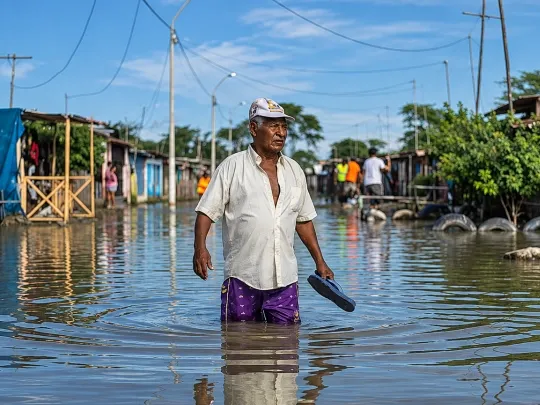
Wednesday, November 11, 2026 — Large-scale infrastructure projects will not be completed in time, but businesses, communities, and the government can still come together and take action.
We know El Niño will return. We know how often it occurs, which areas tend to be hit hardest, and which institutions study its effects. And yet, every time it approaches, Peru seems to find itself running behind.
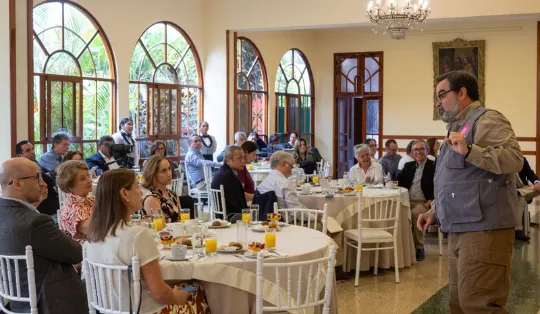
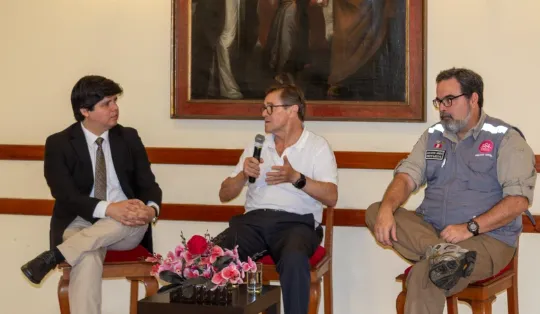
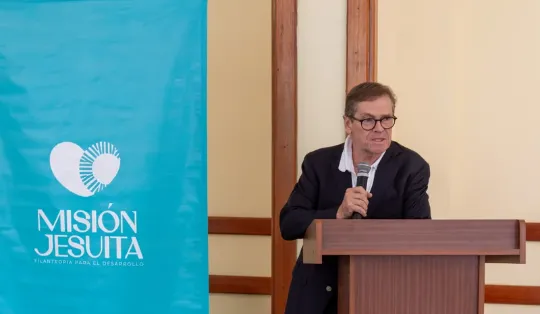
This thought stayed with me during our recent Jesuit Discernment Breakfast, where Carlos Neuhaus and Juan Manuel Arribas spoke about the need for greater coordination and the gaps in Peru’s disaster prevention and emergency response capabilities.
Successive administrations had opportunities to address vulnerabilities that persist today. Political instability, a lack of policy continuity, management shortcomings, and delays in spending allocated funds all played a role. We may disagree on which factor carries the most weight, but the outcome is the same: once again, we face the risk with the same unfinished business. For many major infrastructure projects, I believe it is already too late.
Years of neglect in infrastructure, land-use planning, and disaster risk management cannot be undone in a matter of weeks.
Being too late for prevention does not mean there is nothing we can do. We can still reinforce protective infraestructure, prepare esential services, coordinate our response, and support the communities most at risk. But we need to act now and focus on what will truly make a difference.
The electoral calendar further complicates matters. Newly elected municipal and regional officials will take office in January 2027, just as El Niño could reach its most severe stages. Mayors play a central role in local disaster risk management and emergency response, yet many will take office without ever having managed an emergency. Their first few months cannot be spent learning on the job while communities wait for decisions.
That is why we need to start preparing incoming officials now and give them access to the information they will need: risk maps, critical areas, contingency plans, available resources, and key contacts for coordination. Universities, specialized organizations, businesses, and civil society can provide short training programs and technical support. This does not replace the government's role. It helps incoming mayors govern effectively from day one.
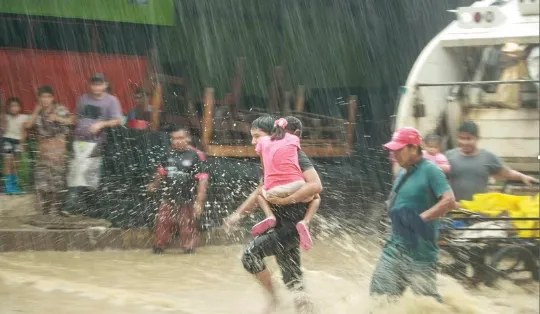
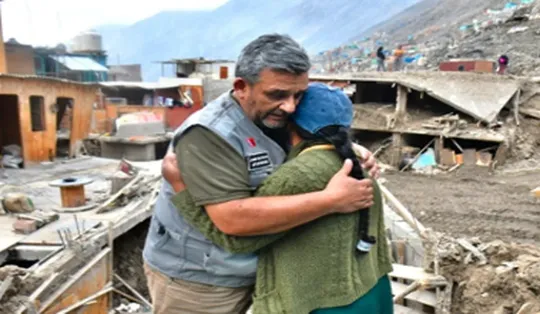
What concerns me most is public health. El Niño is about more than heavy rainfall, flooding, and mudslides. It also brings disease, difficulties accessing safe drinking water, disruptions to essential services, and additional pressure on healthcare facilities that already face significant limitations. Dengue deserves particular attention: it can spread beyond flooded areas and disproportionately affect vulnerable populations.
Vaccination, despite the current limited supply, can help. But it requires sufficient doses for priority groups, easy access, and public awareness of its benefits. Vaccines have little impact if those who need them are unaware of the risks posed by the disease or face barriers to accessing healthcare facilities.
And dengue prevention goes beyond vaccination. We need to control mosquito breeding sites, strengthen disease surveillance, inform communities, and ensure timely medical care.
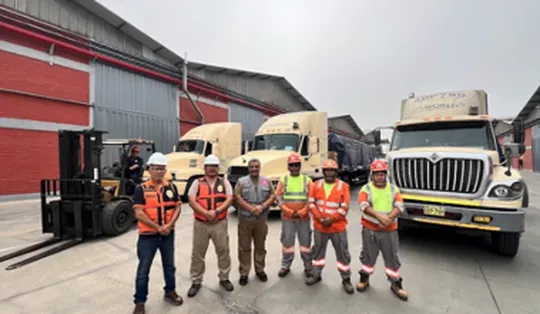
The government cannot do all of this alone. I was encouraged to see what the business community is already doing, contributing far more than funding: logistics, infrastructure, technical expertise, distribution networks, and personnel.
I hope more large companies will get involved, but especially small and medium-sized businesses. A transportation company can help deliver donated supplies. A distributor can help keep essential goods available. A local business can contribute materials or valuable information to its community.
What I find lacking is collaboration at the local level. There are important initiatives involving large companies and government agencies at the national level, but few opportunities for small and medium-sized businesses to sit down with grassroots organizations and municipal or regional governments.
Why not establish local coordination groups in the areas most at risk, where each participant can identify what they can contribute and what is still needed? Together, they could agree on collection centers and distribution routes and clarify who coordinates with whom before an emergency overwhelms everyone.
Civil society organizations, schools, and faith communities have a natural role to play, as many maintain a permanent presence in places where other institutions have limited reach. They can also serve as a bridge to technical agencies. Even an excellent forecast has little value if it cannot be translated into practical recommendations that a local government, a business, or a family can understand.
Good intentions are not enough. We need agreements, clear responsibilities, and shared information.
Two important tasks are almost always put off, and both involve learning how to prepare.
The first concerns our schools. In a country so exposed to natural hazards, it is difficult to understand why disaster preparedness receives so little attention in the classroom. There are valuable educational resources and learning experiences, but I am not sure they reach every school, public or private. I believe this training should be measurable and tailored to local risks.
A student on Peru's northern coast needs to know what to do in the event of a flood; a student in the Andean highlands needs to know how to respond to a mudslide or drought. Every student should be familiar with official alerts and evacuation routes and understand why having a family emergency plan matters.
Simply covering the material is not enough. Students need to know how to put it into practice. Disaster prevention can be taught, but above all, it is learned through practice.
The second task falls to us as families. We cannot expect the government, businesses, or civil society organizations to solve everything for us. Every household can inspect its roof and drainage systems, identify evacuation routes, find out which safe areas have been designated by local authorities, and develop an emergency plan.
When it comes to health, we can empty containers that collect standing water, securely cover water storage containers, use insect repellent when appropriate, and avoid contact with potentially contaminated floodwater.
None of this replaces the responsibilities of public authorities or eliminates the inequalities that leave some families far more exposed than others. But it reminds us that we are not merely potential victims. We can also prepare our own homes and help our communities prepare.
I do not believe we are prepared for everything El Niño may bring, and I am concerned that we have once again lost valuable time. But I do not want to dwell on what we failed to do. It may already be too late for some measures, but we can still work together to save lives, reduce damage, and support those who need us most.
El Niño will return. What needs to change is how we respond to it.
My thanks to Carlos Neuhaus and Juan Manuel Arribas for their clear and candid presentations. They helped us recocognize how much work reamains to be done in disaster prevention as a country. But they also shared valuable examples of coordination and collaboration that demonstrate how we can build better responses when we join forces.
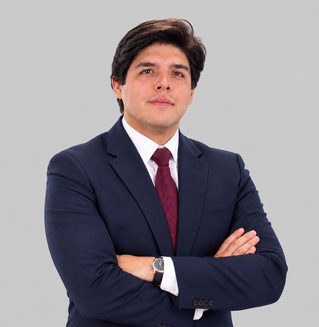
Executive Director at Misión Jesuita
Let's make sure the most vulnerable families do not face heavy rains, drought, and rising prices alone.
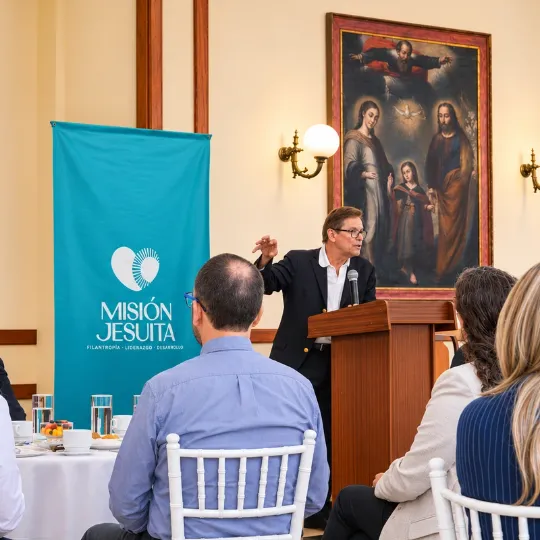
Nearly 50 representatives from the business community, academia, and civil society gathered for the latest edition of the Jesuit Breakfast for Discernment, focusing on anticipating risks, closing gaps, and coordinating efforts ahead of El Niño.
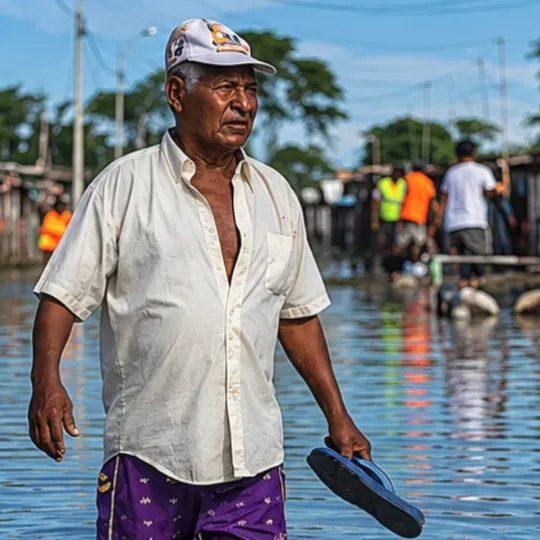
Misión Jesuita and the Jesuits of Peru are leading a campaign that brings together the capabilities of Jesuit institutions across the country and mobilizes resources to prepare for and respond to the potential impacts of El Niño.
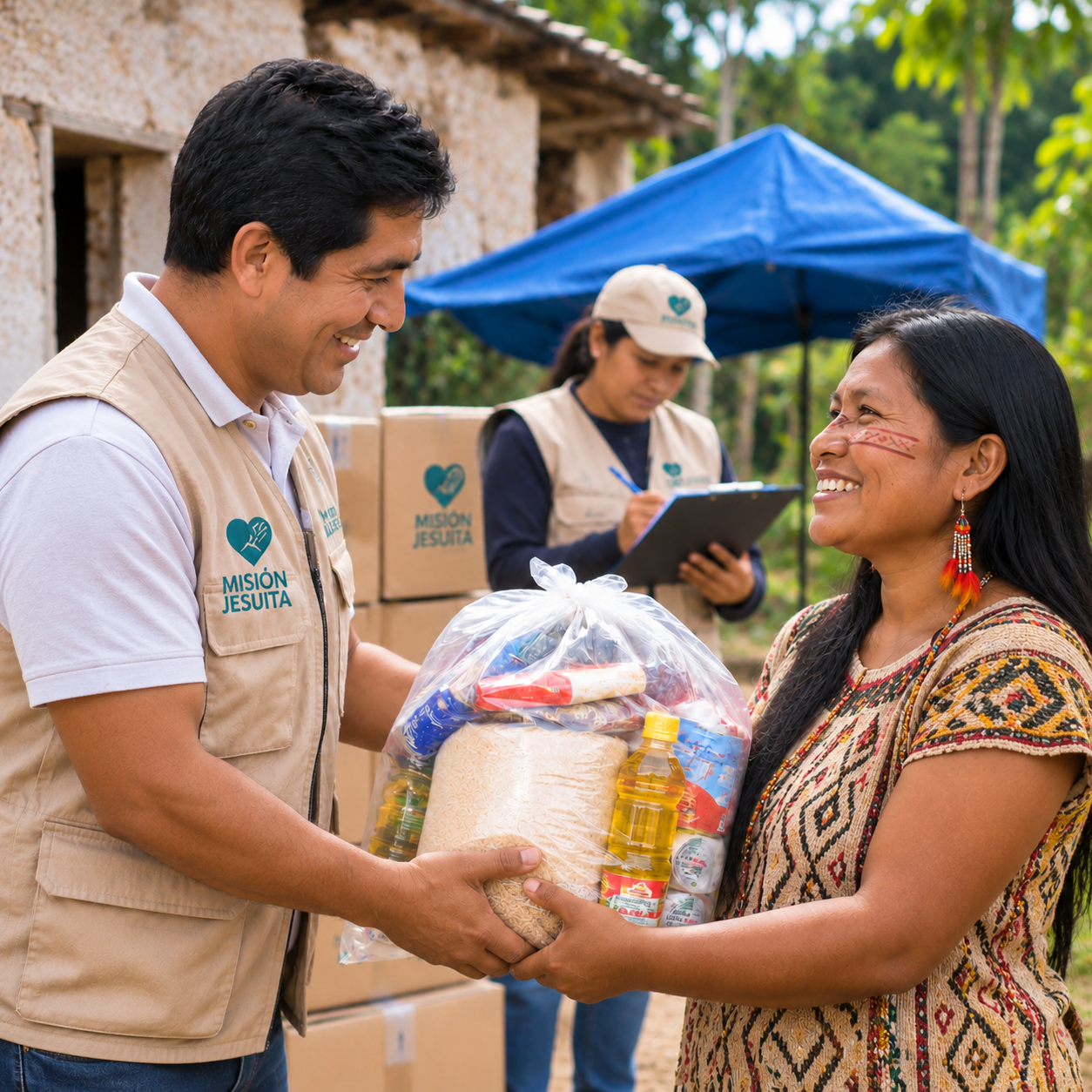
We are strengthening our humanitarian response capabilities to support 1,350 families across 10 regions of Peru between January and March 2027, drawing on the longstanding presence and deep community ties of Jesuit institutions.
© 2000-2025 Misión Jesuita